Pest infestations are often viewed as an inconvenience, but their impact goes far beyond property damage or nuisance. When pests invade homes or buildings, they can introduce a variety of health hazards that affect indoor air quality, food safety, and overall well-being.
From allergens and bacteria to stress and sleep disruption, the presence of pests can create hidden risks that gradually affect occupants. Understanding how pest infestations influence health — and learning how to reduce exposure — is essential for maintaining a safe and comfortable living or working environment. Contact Pest Control South Lake TX for specialized services.
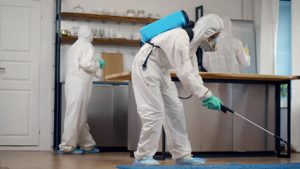
Many people underestimate how quickly pests can compromise hygiene and indoor conditions. Even small infestations can contaminate surfaces, spread microorganisms, and trigger allergic reactions. Because pests often hide in walls, ceilings, and storage areas, exposure may occur long before obvious signs appear. Taking a proactive approach to prevention and early response helps limit these risks and protects both physical health and peace of mind.
How Pest Infestations Affect Indoor Health
Pests interact with their surroundings in ways that introduce contaminants into indoor environments. As they move through kitchens, storage areas, and ventilation systems, they may carry bacteria and other harmful substances from unsanitary locations. These contaminants can transfer to surfaces, food items, or air particles, creating ongoing exposure risks.
One of the most significant health concerns associated with pests is the spread of allergens. Droppings, shed skin fragments, and nesting materials can accumulate over time, contributing to poor indoor air quality. Individuals who are sensitive to allergens may experience increased symptoms, including sneezing, coughing, or irritation of the eyes and throat. Even those without preexisting sensitivities may notice discomfort when pest-related debris becomes widespread.
In addition to physical symptoms, pest infestations can contribute to emotional stress. Persistent noises, unpleasant odors, or visible pest activity can disrupt sleep and create anxiety. This combination of physical and psychological effects highlights why pest control is not just a maintenance issue but also an important component of overall health management.
Allergies and Respiratory Concerns
One of the most common health risks associated with pest infestations involves allergic reactions and respiratory problems. Many pests produce microscopic particles that become airborne, especially in areas with limited ventilation. These particles can trigger reactions ranging from mild irritation to more severe respiratory symptoms.
Allergy-related concerns may include:
- Increased coughing, sneezing, or nasal congestion caused by airborne debris
- Irritation of the skin or eyes due to contact with pest-related allergens
Over time, prolonged exposure to these allergens may worsen existing respiratory conditions. This is particularly important in environments where ventilation is poor or where cleaning routines are inconsistent. Maintaining clean surfaces and addressing pest activity early can significantly reduce the buildup of allergen-producing materials.
Improving airflow and removing clutter can also help limit allergen accumulation. By reducing hiding spaces and maintaining a cleaner environment, property owners create conditions that discourage pest activity while supporting healthier indoor air quality.
Food Contamination and Hygiene Risks
Pests often search for easily accessible food sources, which makes kitchens and storage areas particularly vulnerable. When pests come into contact with food preparation surfaces or stored items, they can introduce bacteria and other contaminants. Even sealed packages may be at risk if pests chew through materials to reach food inside.
Food contamination can occur in subtle ways. Droppings, saliva, or nesting debris may be left behind in areas where food is handled or stored. Because these signs are not always immediately visible, exposure can happen unknowingly. This highlights the importance of consistent sanitation practices and proper food storage methods.
Reducing hygiene risks often involves simple yet effective habits. Storing food in sealed containers, cleaning spills promptly, and regularly inspecting pantry areas can help minimize opportunities for pests to contaminate food supplies. These preventive actions not only reduce health risks but also make indoor environments less attractive to pests overall.
Bites, Stings, and Skin Irritation
Certain pests pose direct physical risks through bites or stings. While not every infestation results in physical contact, the possibility exists when pests occupy living or sleeping areas. Bites can lead to itching, redness, and discomfort, and in some cases may cause more severe reactions depending on individual sensitivity.
Skin irritation is not always caused by direct contact. Exposure to pest debris or contaminated surfaces may also trigger rashes or inflammation. Recognizing these symptoms early can help identify underlying pest issues before they become widespread.
Preventive strategies include maintaining clean bedding, vacuuming frequently, and reducing clutter where pests may hide. Monitoring sleeping areas and upholstered furniture is particularly important, as these spaces provide warmth and shelter that some pests find appealing.
Psychological Stress and Reduced Quality of Life
The presence of pests can affect mental well-being as much as physical health. Constant worry about contamination, unexpected pest sightings, or nighttime noises can create ongoing stress. Over time, this stress may impact sleep quality, concentration, and overall comfort within a space.
Living or working in an environment with pests can also create a sense of embarrassment or frustration, especially when infestations persist despite repeated efforts to control them. This emotional strain often motivates property owners to seek more comprehensive solutions that address both immediate concerns and long-term prevention.
Creating a pest-free environment contributes to a greater sense of security and relaxation. Addressing infestations promptly and maintaining preventive practices can help restore confidence and improve overall quality of life.
Reducing Exposure Through Preventive Measures
Reducing exposure to pest-related health risks requires a combination of awareness and consistent action. Prevention focuses on removing the conditions that attract pests while maintaining a clean and organized environment. Small changes in daily habits can have a significant impact on long-term health outcomes.
Key exposure-reduction strategies may include:
- Maintaining proper sanitation by cleaning surfaces regularly and managing waste responsibly
- Sealing entry points and repairing structural gaps that allow pests to enter indoor spaces
Moisture control also plays a crucial role in prevention. Many pests thrive in damp environments, so fixing leaks and improving ventilation can help reduce infestation risks. Regular inspections of plumbing areas, storage rooms, and outdoor surroundings can reveal vulnerabilities before they lead to larger problems.
Incorporating preventive habits into daily routines ensures that pest control becomes part of overall health maintenance rather than a reactive response to visible infestations.
The Role of Professional Pest Control in Health Protection
While preventive measures can significantly reduce risks, professional pest control services provide an additional layer of protection. Experts have the training and tools needed to identify hidden infestations and recommend targeted solutions that minimize exposure. Professional assessments often uncover issues that may not be obvious during routine cleaning or inspections.
Professional services focus on integrated pest management approaches that emphasize safety and effectiveness. Rather than relying on broad treatments, these strategies aim to eliminate pests while reducing unnecessary exposure to chemicals. This balanced approach supports healthier indoor environments while addressing the root causes of infestations.
Seeking professional assistance is especially important when infestations persist or when health symptoms continue despite preventive efforts. Expert guidance helps ensure that pest control measures align with safety standards and provide lasting results.
Building Long-Term Habits for a Healthier Environment
Maintaining a pest-free environment requires ongoing commitment. Preventive habits such as decluttering storage areas, monitoring moisture levels, and conducting periodic inspections help reduce the chances of future infestations. Education also plays a key role; understanding how pests behave and what attracts them empowers property owners to make informed decisions.
Creating routines around cleaning, maintenance, and inspection helps keep potential problems under control. Over time, these habits become second nature, supporting both health and property preservation. Consistency is the foundation of effective pest prevention, ensuring that small issues are addressed before they escalate.
Pest infestations pose more than just a nuisance; they introduce health risks that can affect indoor air quality, food safety, and overall well-being. From allergens and contamination to psychological stress, the impact of pests can be wide-ranging and long-lasting if left unaddressed. Recognizing these risks is the first step toward creating a healthier environment.
By adopting preventive strategies, maintaining strong sanitation practices, and seeking professional guidance when necessary, property owners can significantly reduce exposure to pest-related hazards. Taking action early not only protects health but also preserves comfort and peace of mind. With consistent attention and proactive care, homes and buildings can remain safer, cleaner, and better prepared to resist the hidden dangers associated with pest infestations.